Termite Control

How Termite Castes Work

Termites are social insects that live in vast highly populated colonies. Each termites has a designated role to fulfil within the colony.

Choose one of the following castes to learn more.

King & Queen Caste

These termites function in the colony is to reproduce. Alate, or swarmers, departs from their nests to start new colonies. Kings and queens will nurture their young until the young can take on the role as nurturer. The queen is the largest termite in the colony, where the king is much smaller.

Worker Caste

These hard working termites collect food, build and maintain the nest. They are pale or white in colour, rounded heads and bodies with straight antennas. Worker termites collect wood and grass for for food for themselves and the nest. They can become a problem when they seek to eat wood that can be found inside your home.

Soldier Caste

Appropriately named to protect the colony. Soldiers are larger than workers and are easy to spot. They have pale or white bodies and rounded dark heads with serrated mandibles.
 

Alates Caste

Alates, also known as swarmers, are the future winged kings and queens which shed their wings when they land in a suitable area to find a mate to begin a new colony.

Life Cycle

During summer evenings winged reproductives known as swarmers, emerge from their underground nests. When sufficiently distant from the parent nest, they land, shrug off their wings, and scout about for a mate. The pair then excavates a burrow to start a new colony. A week after swarming, the female lays her first eggs, which are tended by the couple, a task soon taken over by the maturing workers.

Termite Species

Choose one of the most common termites found in the Western Cape.

Harvester Termite

Subterranean Termite

Harvester Termite

Hodotermitidea

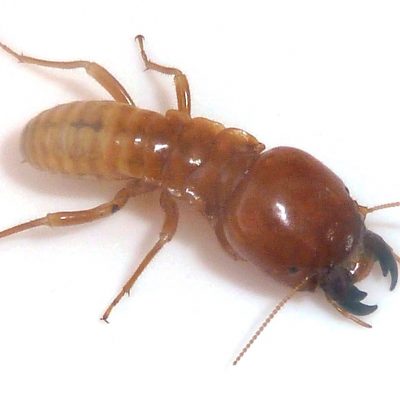
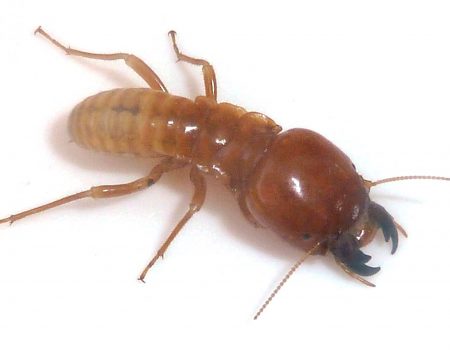
Harvester Termite Hodotermitidea

Identify

  • 5 – 12mm long.
  • Serrated inner edge of their mandibles.
  • Compound eyes.
  • Alates have wings which they shed.
                •  

Habitat

These termites nest by excavating in the soil. Loose particles of excavated soil are brought to the surface and dumped at various points around the nest.

Subterranean Termite

Family Rhinotermitidae

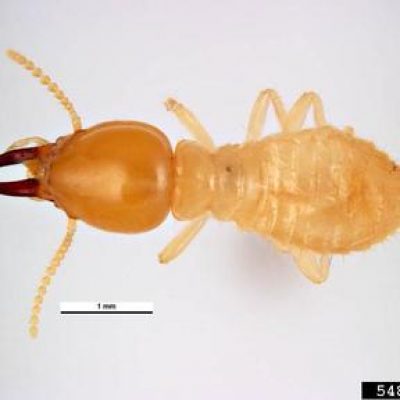
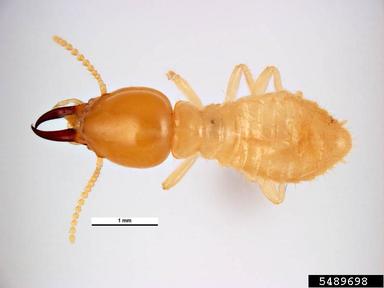
Subterranean Family Rhinotermitidae

Identify

  • Cream coloured bodies.
  • Rectangular shaped heads and their bodies are flat.
  • Workers have small jaws that help them chew away at wood and move materials.
  • Soldiers can be distinguished by their large mandibles and head is darker and more brownish in colour.

Habitat

Subterranean termites can cause structural damage of any termite species. These termites build distinctive tunnels, often referred to as “mud tubes,” to reach food sources and protect themselves from open air. They eat wood 24 hours a day, seven days a week, using their saw-toothed jaws to bite off small fragments of wood one piece at a time.